DIY Garage Door Troubleshooting: Common Issues and Fixes
AA
Identifying Common Garage Door Problems
Garage doors are essential for home security and convenience, but they can experience issues over time. Understanding these common problems can help you troubleshoot effectively without immediately calling a professional.
One frequent issue is the door not opening or closing properly. This problem can often be traced back to the garage door opener or remote control. Ensure the remote’s batteries are fresh and check if the opener is receiving power.
Inspecting the Tracks and Rollers
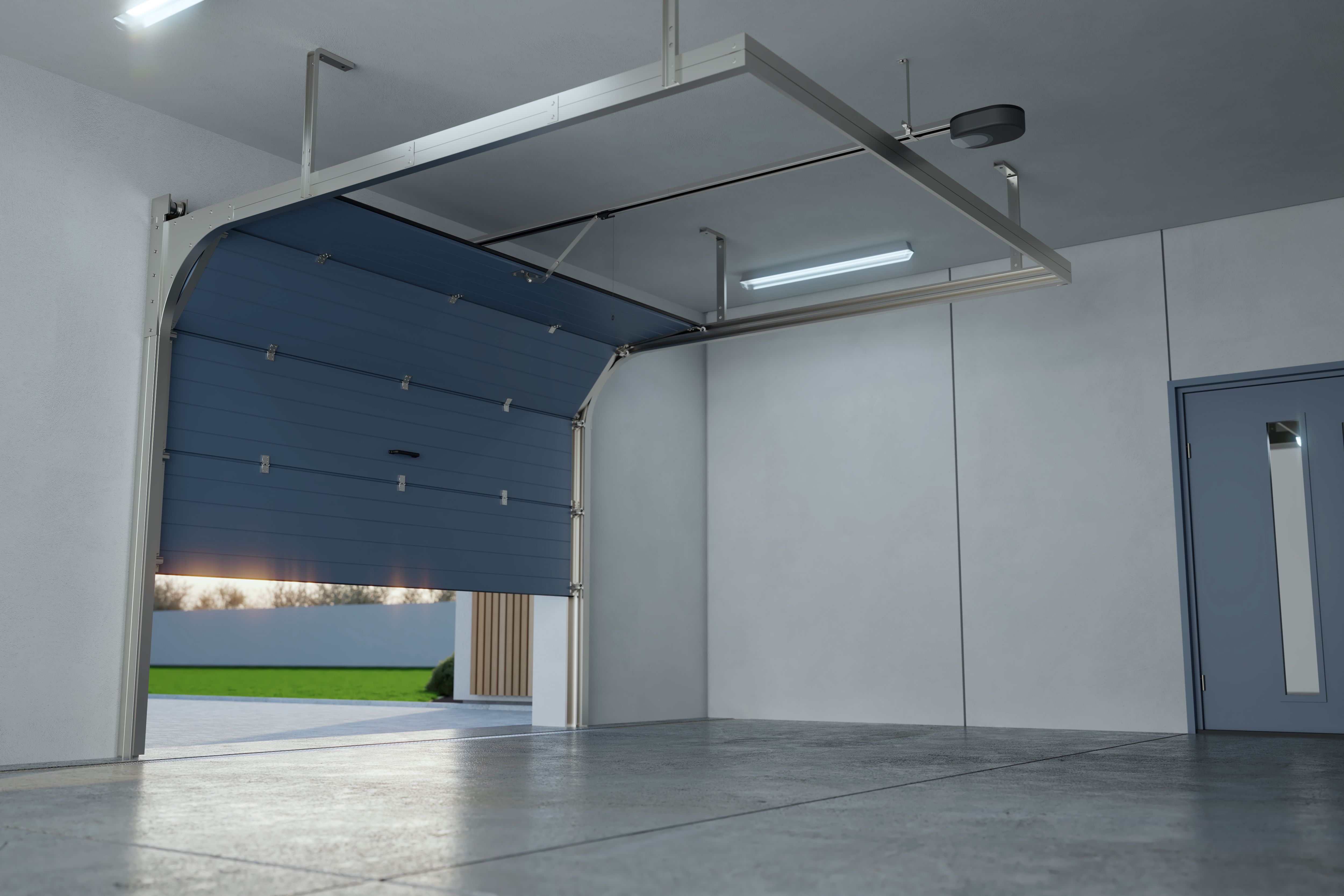
If your garage door is noisy or jerky, the tracks and rollers might be the culprits. Over time, debris can accumulate in the tracks, causing the door to operate inefficiently. Regular cleaning and lubrication can often resolve these issues.
Check for any visible damage or misalignment in the tracks. If the tracks are bent or the rollers are worn out, they may need to be replaced. Using a level can help determine if the tracks are perfectly aligned.
Addressing Sensor Malfunctions
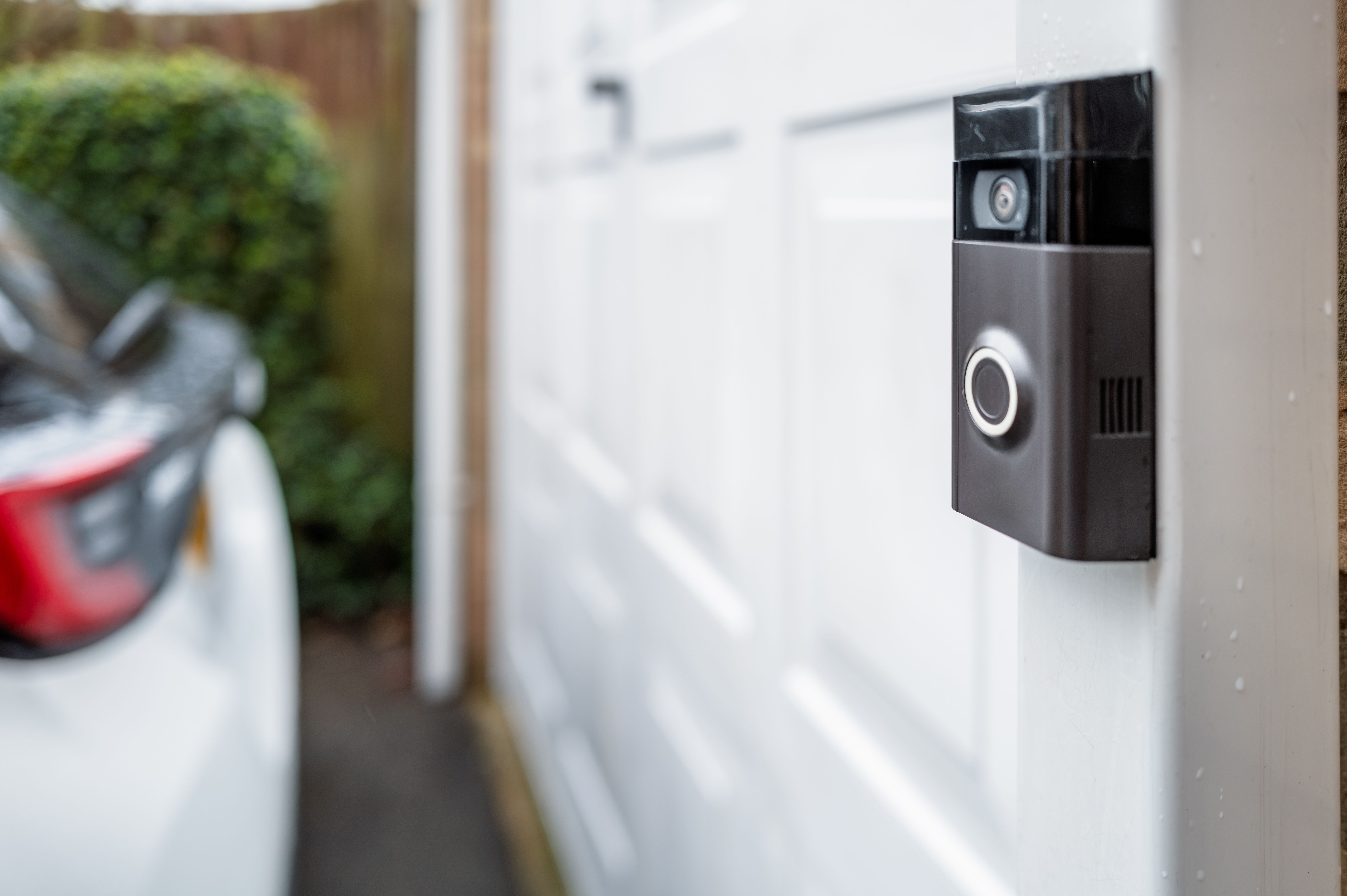
Modern garage doors are equipped with safety sensors that prevent the door from closing on objects or people. If the door reverses direction after closing, the sensors might be misaligned or blocked.
Ensure that the sensors are clean and facing each other correctly. If they are damaged, they may need replacement. Adjusting the sensor alignment can often fix this problem.
Resolving Spring and Cable Issues
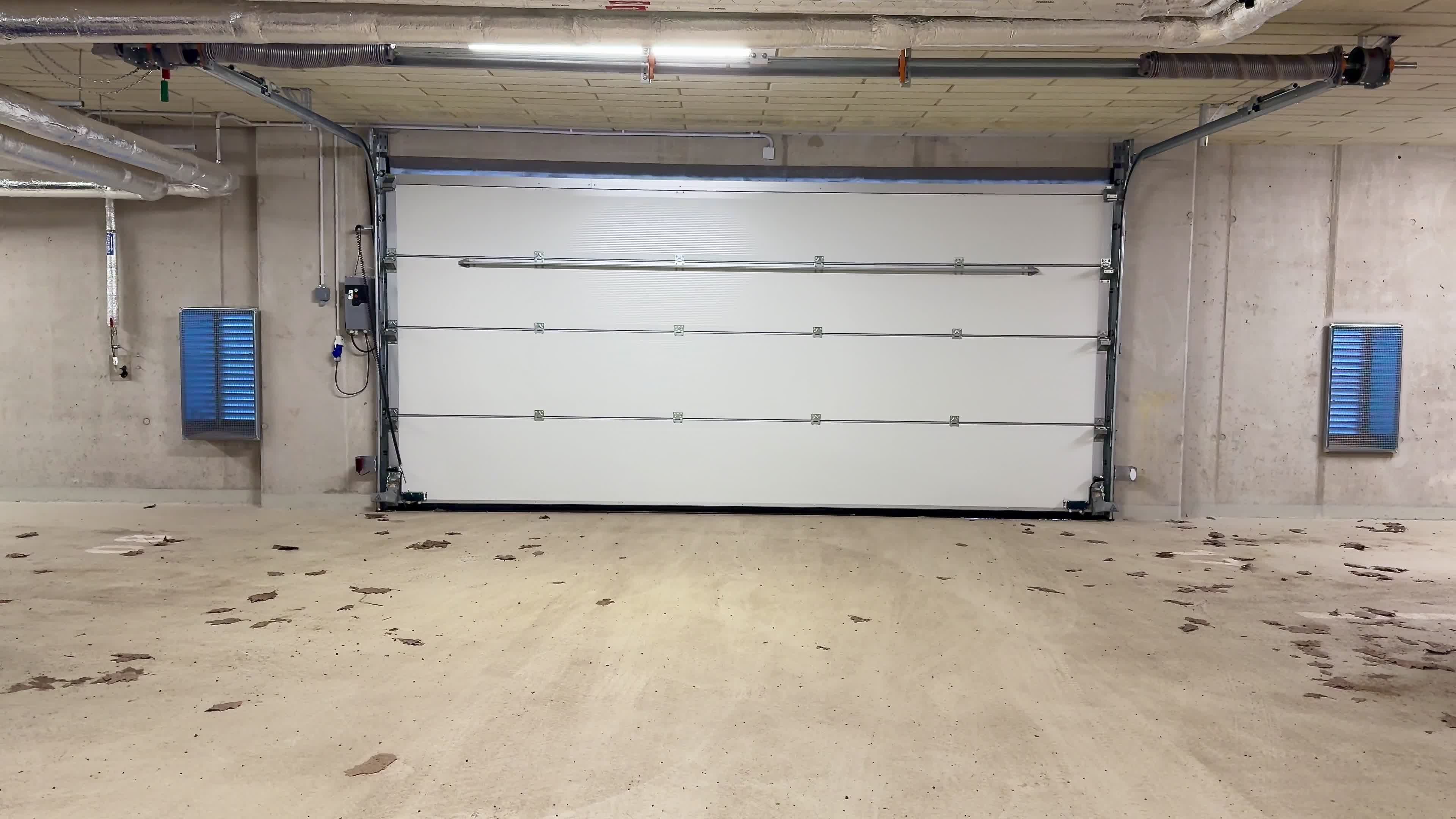
The springs and cables on a garage door are under high tension and can wear out over time. If the door closes too quickly or feels heavy, the springs may be at fault. Replacing these parts can be dangerous, so consider hiring a professional if you're unsure.
Cables can also fray or snap, leading to uneven door movement. Regularly inspecting these components for wear and tear can prevent potential accidents or damage.
Maintaining Your Garage Door
Regular maintenance is crucial for a smoothly operating garage door. Simple steps like lubricating moving parts, tightening loose bolts, and cleaning the tracks can extend the lifespan of your door.
By addressing minor issues promptly, you can avoid costly repairs and ensure your garage door remains reliable. Incorporating these maintenance tasks into your routine can save time and money.
When to Call a Professional
While many garage door issues can be resolved with DIY fixes, some problems require professional expertise. If you encounter complex issues, such as motor problems or extensive damage, it’s best to consult a professional to ensure safety and efficiency.
Remember, understanding your garage door’s mechanisms not only helps in troubleshooting but also in communicating effectively with professionals when needed.